What To Study To Become A Material Scientist
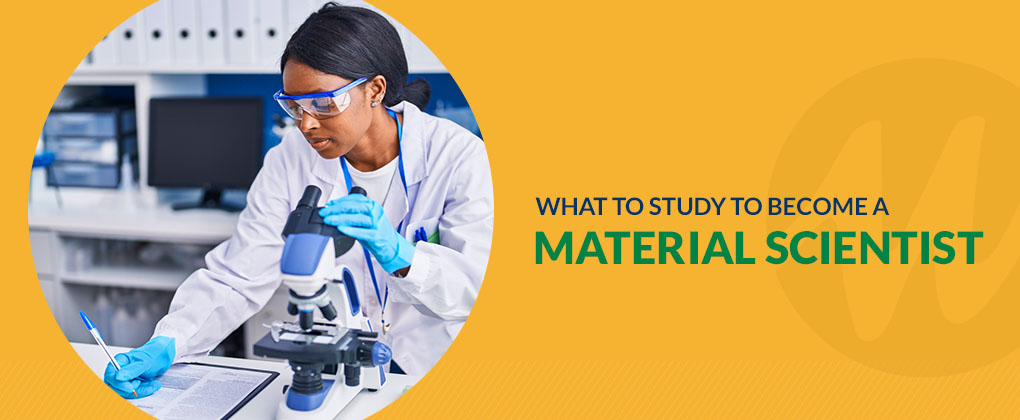


A material scientist is someone who studies the structure and chemical makeup of natural and synthetic materials. They often work with companies to analyze and test products. This could be an excellent career if you are someone who loves science and revels in solving complex problems and working with new technologies.
People who want to become a material scientist often have an interest in:
Learn what you have to study to become a material scientist and how you can succeed in this career.
To become a material scientist, you need to study advanced concepts in chemistry, physics and engineering. Most positions require at least a master’s degree, but there are a few different avenues you can take. The following are degrees you will need to earn as you pursue your career.
An associate degree is one of the best ways to start your journey to becoming a material scientist, whether you’ve just graduated from high school, are transitioning to a new career or are returning to school after an extended break. Most associate programs are two years, and these degrees can transition seamlessly into bachelor’s and other education programs.
For material scientists, an associate degree in chemistry or engineering physics offers a cost-effective and flexible way to cover essential introductory classes and prerequisites. These include general education requirements and courses that provide background knowledge. After a two-year associate degree, you can transition to a four-year institution and dive right into your major.
The associate degree avenue perfectly prepares you to transition into a bachelor’s degree program — Mount Wachusett Community College (MWCC) offers transfer agreements with public and private four-year colleges. Our program is designed to cover core science, technology, engineering and math (STEM) courses, making it easier to transfer your credits to another institution.
A bachelor’s degree is earned at a four-year institution. You need this degree to become a material scientist — while few universities offer a specific material science major, you can also choose between chemistry or engineering majors. Your coursework will include a mix of classroom lectures and laboratory experiences, such as:
You will also take courses diving into the specific classes of materials — metals, ceramics, composites and polymers. Some universities offer research assistantships, co-operative education programs and internships to get hands-on experience in laboratory environments. This can also help as you prepare applications for graduate school.
Becoming a material scientist often requires at least a master’s degree, but other positions may require a doctoral degree (PhD). When applying for programs, you will want to emphasize your practical experiences and any co-operative or internship programs. By now, you will likely have a specialization, which will help determine the type of work and the kind of roles you will pursue in your future career.
Pursuing a career as a material scientist can be difficult because, as a relatively emerging field, there may not be many undergraduate material science programs. However, you can pursue related degrees to give you the experience and knowledge to pursue material science at the graduate level:
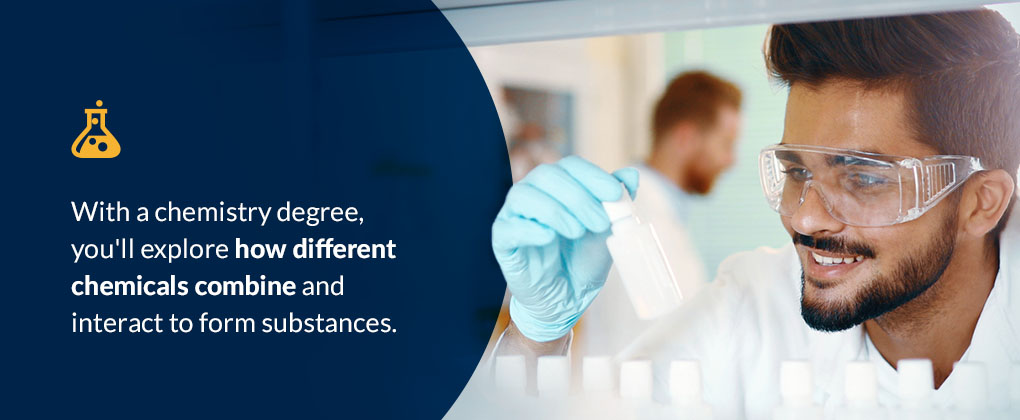
While on your journey to become a material scientist, the following courses and electives can help:
Material scientists are not required to have special certifications, but some positions may require a Fundamentals of Engineering (FE) license by passing an exam. This certification is sponsored by the National Council of Examiners for Engineering and Surveying (NCEES), and different states may have different requirements.
Getting an FE license demonstrates that you have the competencies and technical proficiency to undertake special kinds of projects. The licensure protects the public and is particularly important to ensure accountability in highly complex fields.
Material scientists most often work in manufacturing, product development and research. Examples of material scientist career paths include:

When looking into what to study to become a material scientist, kick-start your education with an associate degree from MWCC. You can cover the fundamental chemistry and engineering classes while saving money on your education. With MWCC’s transfer agreement with universities like Fitchburg State University and Northeastern University, you can transfer your completed credits to earn a bachelor’s degree in material science.
To learn more about our academic and degree programs, reach out to us for more information. Eager to get started on your educational journey? Begin by applying today!

Your journey starts with a single step. We have all the information you need to move forward with confidence. Reach out today to learn more about life at The Mount and how to get started.
