Nursing


Nursing Programs In MA — Become A Registered Nurse
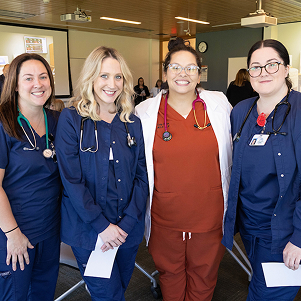
Every day, nurses make decisions and take action to improve patient health while adhering to safety practices. If you are looking to begin a challenging and highly rewarding career in nursing, MWCC is here to help you start your community college nursing program. With a Nursing degree from MWCC, you will be trained to think critically and solve problems while refining your healthcare skills to better the lives of your patients.
With our Nursing degree, you will be trained to think critically and solve problems while refining your healthcare skills. Each of these skills will equip you to help better the lives of your patients. At MWCC, students can choose one of three community college nursing programs in Massachusetts.
Types Of Nursing Degrees And Programs At MWCC
The first is MWCC’s Associate Degree in Nursing (ADN). MWCC’s associate degree in nursing in Massachusetts is perfect for students who have not previously studied nursing. This two-year nursing program prepares students for the national exam to become Registered Nurses (RNs).
The second is our Practical Nursing (PN) program. This one-year certificate program prepares students for the national exam to become licensed PNs (LPNs). Prior healthcare experience is not required, but many certified nursing assistants (CNAs) choose this program to help advance their careers.
No matter which program you choose, you will learn in a motivating environment that encourages enthusiasm and pride in the nursing profession. Your nursing education will include classroom, lab and clinical components — on-campus and off-campus — at partnering healthcare organizations.
Get in-depth information on our community college nursing programs in Massachusetts so you can choose the most appropriate one.


Earn Your Registration With The NCLEX
By the end of your program, you will be well prepared to take the National Council Licensure Exam for Registered Nurses (NCLEX-RN). Once passed, you will be officially registered as an RN. MWCC nursing graduates have historically achieved a high passing rate on the NCLEX-RN and have been successful in finding jobs.
Gain Hands-On Experience In Nursing Care
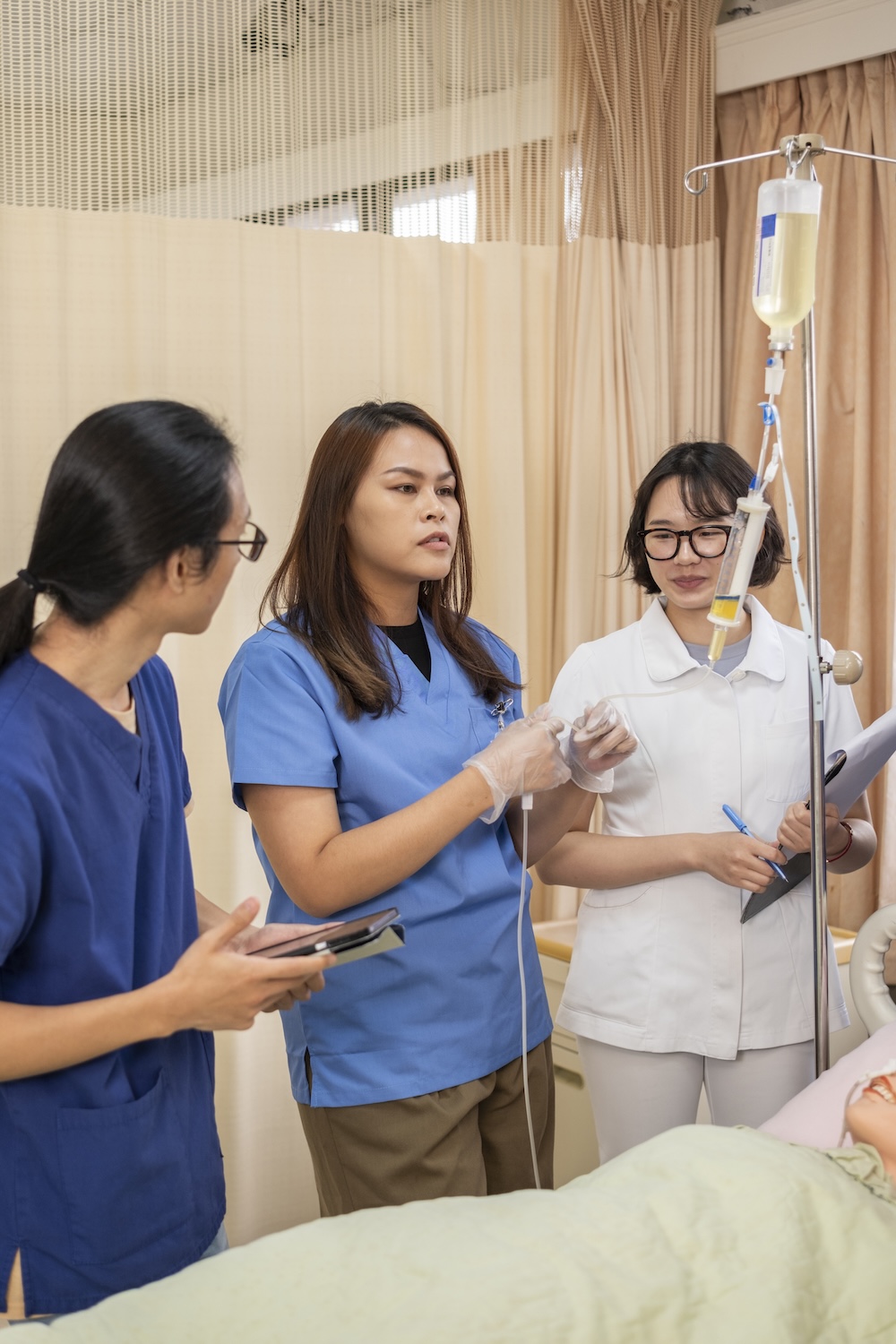
In the NUR 220 — Medical-Surgical Nursing, Part I — and NUR 222 — Medical-Surgical Nursing Part II — courses, you will get to work hands-on in a clinical setting. You will provide nursing care to groups of patients so you can refine and improve your hands-on skills while putting your theoretical knowledge into practice.
Be In Demand As A Registered Nurse
After you graduate, you can expect to find a job fast as an RN. The nursing field is projected to grow about 6% from 2023 to 2033 — which is much faster than the national average! The aging population and growing rates of chronic conditions will demand more healthcare services, which means thousands of nursing jobs will open up all over the country. You may even make over $86,000 annually as an RN.
Earn A Nursing Degree At Mount Wachusett Community College

MWCC is one of the best community colleges with nursing programs in Massachusetts. Our quality education, affordable tuition and student support services make studying at MWCC a smooth and enjoyable experience.
Moreover, our ADN program is beneficial in two ways. You can either use it as a quick entry into nursing practice or as a stepping stone to transfer to a four-year college or university to further your nursing studies. Explore our transfer options!

Nursing And Practical Nursing Program Outcomes
2022: 79%
2023: 88%
2024: 94%
2022: 100%
2023: 95%
2024: 97%









Ready To Take The Next Step?
Your journey starts with a single step. We have all the information you need to move forward with confidence. Reach out today to learn more about life at The Mount and how to get started.